 5 min freeAt training
Your child's coach, rehearsed out loud
6
people run this conversation
8 min
The shortest conversation
The conversation parents abroad put off for a whole season: a question about your own child, put politely, in the coach's language, in the five minutes between practice and the car.
A2 · basicB1 · workingB2 · confident
Who you will be talking to
Your child's coach, with 3 of these 6.
In whichever order helps. The first 5 minutes with a free partner cost nothing, so you can talk to two of them before you choose.
5 min freeAt training 5 min freeAt training
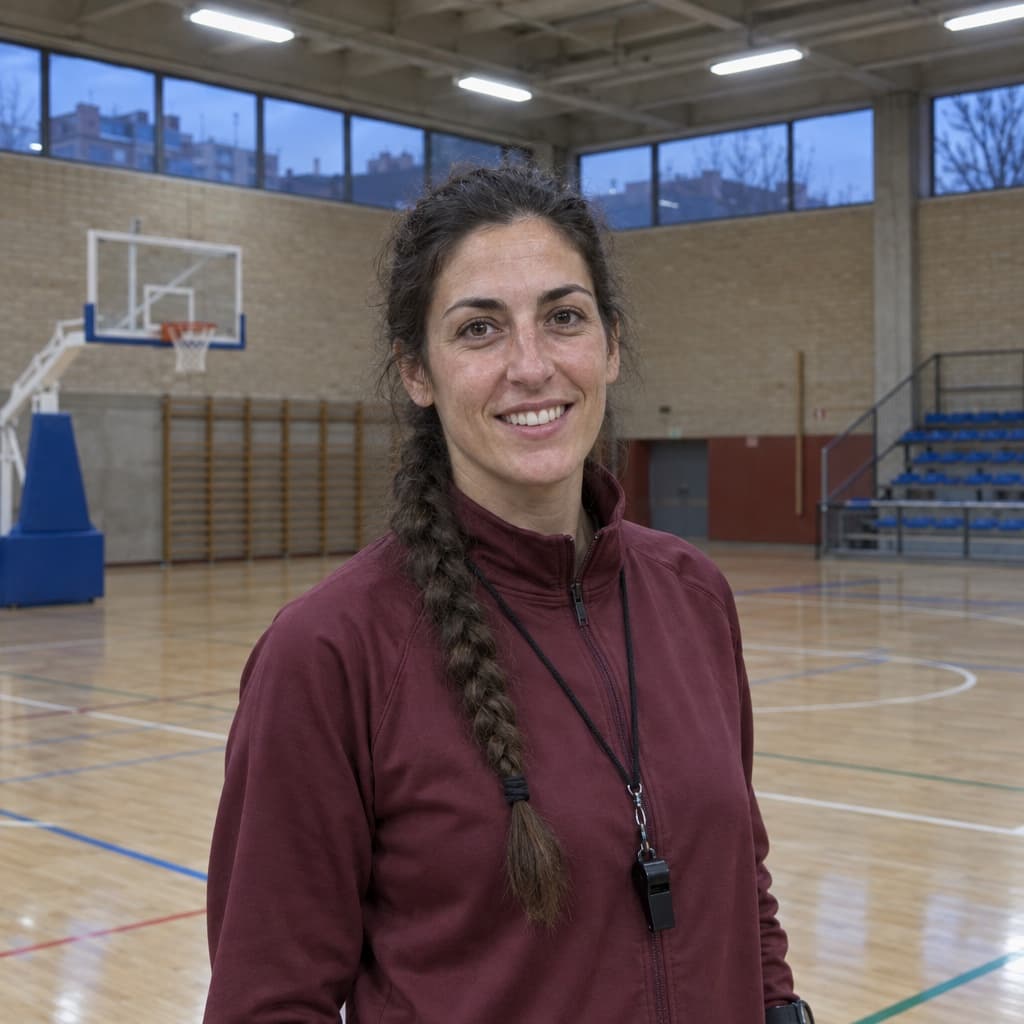 5 min freeAt training
What actually happens
Five things people say before they start.
One of them is usually the real reason. What sits underneath it is what actually gets scored.
/01
“You said it was not fair and the coach said "we'll talk Thursday".”
Asking about minutes
Why does my child hardly play is the question every coach gets and most parents ask badly. As a complaint it meets a closed door; as "what would help them play more?" it gets an answer you can use.
/02
“You agreed to something and found out at home what it was.”
Club words
Roster, playing up, tryouts, travel team; ficha, convocatoria, cadete, carta de libertad. The coach uses them as ordinary words, and you have to ask which one changes your weekends.
/03
“You left pleased, and then realised you had been told no.”
Hearing the real answer
Some coaches say no plainly. Others say "bueno, a ver" and a great deal more, and the no is somewhere inside. The precise question that gets it said once, clearly, is the skill.
/04
“You said you would think about it, and nobody said until when.”
Days, money and a date
Every proposal comes with a schedule, a fee and a deadline. Leaving with those three, or with the day you will answer by, is the difference between a decision and a message you never send.
Not the situation you need?
Bring the real thing: the job description, the date on the letter, the words the school used. Everyone who runs your child's coach will work from what you actually walked in with.
How a first conversation worksWhat it costs
One price a minute, whoever you talk to.
A harder conversation simply runs longer. The shortest way to rehearse your child's coach is 8 min.
You pay for the seconds you talk, and the minutes come off a balance you already hold. Nothing renews, and you are never sent a bill. Plans and refunds.
Your first 5 minutes
What 5 free minutes are for.
01
Go in with your question
Before Start, write a line about your child: their age, their position, what you want to ask. The coach will use it.
The terms, in full
- Free
- 5 minutes
- No card asked for
02
Let the coach finish
Hear the reason before you argue with it. These coaches answer a clear question clearly, and a complaint with a question of their own.
Paid for out of your free minutes
- Asking about minutes
- Club words
- Hearing the real answer
- Days, money and a date

Questions
What people ask before they start.
Nearby
What people open next.
The rest of Everyday life first, then everything else at the same difficulty.
All the situationsAt training

 A2 · basicB1 · workingB2 · confidentInstructions shouted once across a court, words you only hear in a gym, and the sentence that matters most: this hurts, or this is just hard.8 peoplefrom 6 minTravelling

 A2 · basicB1 · workingB2 · confidentThe desk, the hotel, the table: short, fast, full of numbers you hear once.5 peoplefrom 5 minNeighbours

 A2 · basicB1 · workingWarm, talkative, and impossible to escape without saying something.3 peoplefrom 6 min
A2 · basicB1 · workingB2 · confidentInstructions shouted once across a court, words you only hear in a gym, and the sentence that matters most: this hurts, or this is just hard.8 peoplefrom 6 minTravellingA2 · basicB1 · workingB2 · confidentThe desk, the hotel, the table: short, fast, full of numbers you hear once.5 peoplefrom 5 minNeighboursA2 · basicB1 · workingWarm, talkative, and impossible to escape without saying something.3 peoplefrom 6 min