What a band is made of
You can read the criteria before you start.
30of 100
56 people to talk to: a friend on a call, a doctor with seven minutes, a neighbour, a waiter in New York, a recruiter. You speak out loud for 5 to 15 minutes. They start the conversation, they interrupt, they will not switch to your language, and no two conversations are the same. Afterwards you get a write-up: what worked, what to fix, and your own words under every mark. The first conversation is free and no card is asked for.
$5.28 a conversationThe same conversation with a live native speaker costs $50 or more, and you have to book it.


Marcus Chen
NeutralEngineering Manager, B2B SaaS
You can read the criteria before you start.
30of 100
5/5
“I have eleven minutes and I have read the notes, so let's skip the summary. Tell me the decision you got wrong.”
Richard Hale, in the final round
Drag to the number of conversations you want in a month.
A conversation here is $5.28; with a live native speaker it starts at $50. And nothing has to be booked.
What you get
Your teacher teaches you the language. Speaking it comes from practice: a lot of it, often, and in real situations. This is what that practice looks like here, and what it comes to.
It behaves like the real thing
A recruiter reads your CV while you talk. A landlady has heard all of this before. A friend leaves a silence and waits for you to fill it. Nobody slows down and nobody switches to your language.
9 conversations for the price of one with a native speaker
Talking with a live native speaker costs $50 a conversation, and that is the cheap end. Here it is $5.28, so you get to have the same conversation again and again until it comes easily.
Nothing to book
Six in the morning on the day itself. Or twice more tonight, because the first go was bad. No calendar, no confirmation, nobody else's week to fit into.
AI people you talk to out loud, with 5 accents across 2 languages.
56 AI people
Situations to choose from: a phone screen, an exam, a salary talk, a meeting at your child's school.
32 situations
Conversations for the price of one with a live native speaker.
9 instead of one
Day or night, whenever you have ten minutes. No booking, no waiting for a slot, no date in the diary.
Any time of day
Pick the situation
Each card says who will be talking to you and how short the shortest conversation is. You can filter by language level.
1 person · from 12 min
3 people · from 12 min
1 person · from 20 min
1 person · from 15 min
1 person · from 5 min
2 people · from 10 min
1 person · from 10 min
1 person · from 10 min
1 person · from 10 min
1 person · from 5 min
1 person · from 5 min
1 person · from 8 min
2 people · from 8 min
3 people · from 6 min
2 people · from 6 min
2 people · from 6 min
1 person · from 6 min
5 people · from 5 min
8 people · from 6 min
6 people · from 8 min
5 people · from 6 min
4 people · from 6 min
3 people · from 7 min
1 person · from 5 min
2 people · from 6 min
1 person · from 6 min
1 person · from 5 min
1 person · from 6 min
1 person · from 8 min
Built around the exam format, not around a level
How it works

56 people, five tracks, four accents. Read what the conversation is, read who the character is based on, and pick the one you are actually about to have.
Nobody here is a tutor
They want something. You are in their way.
Pressure is a filter, not a surprise
Warm, neutral, cold, hostile, chosen in advance.
The first session is free
Five minutes, no card, on half the catalog.
Search the catalog
Filter by the language you will speak, by the situation, and by how hard you want to be pushed. Every card says how long the conversation runs and whether the first one is free.
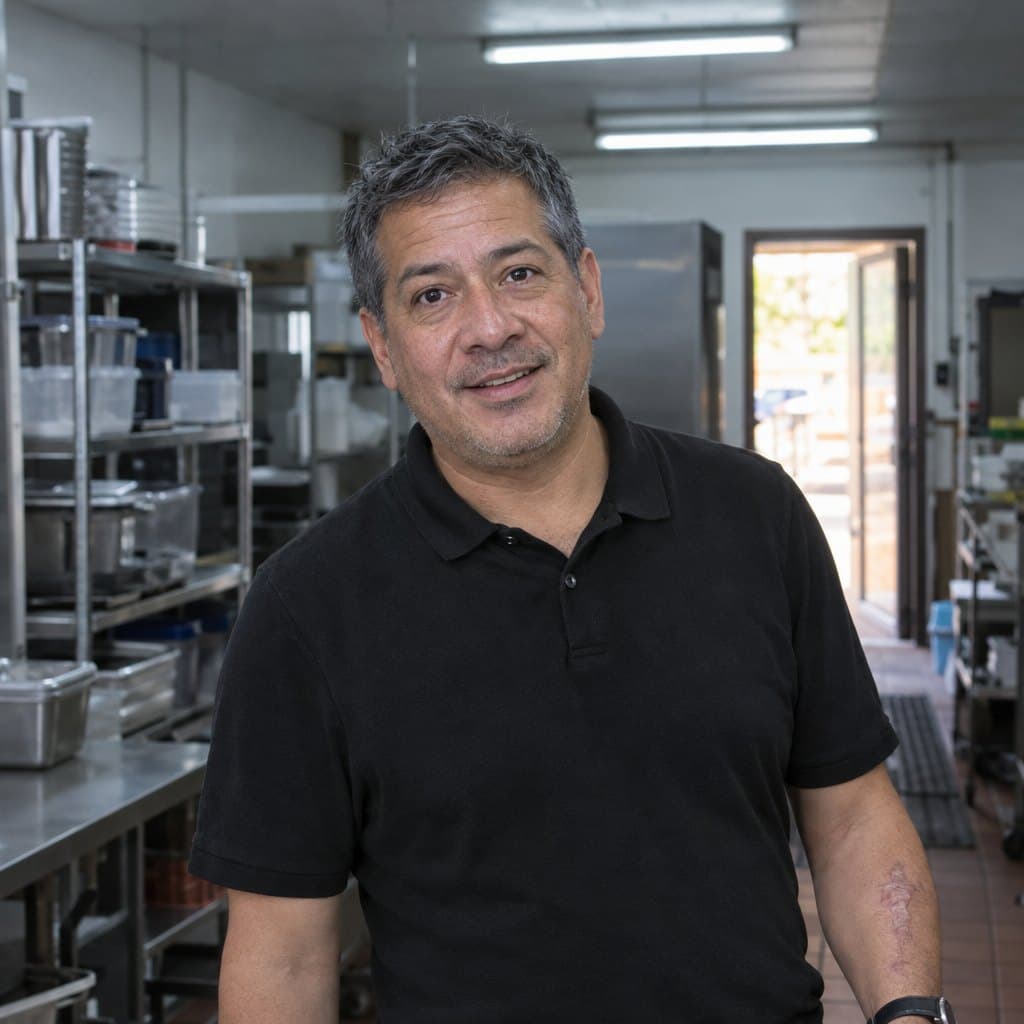 5 min freeYour first shift
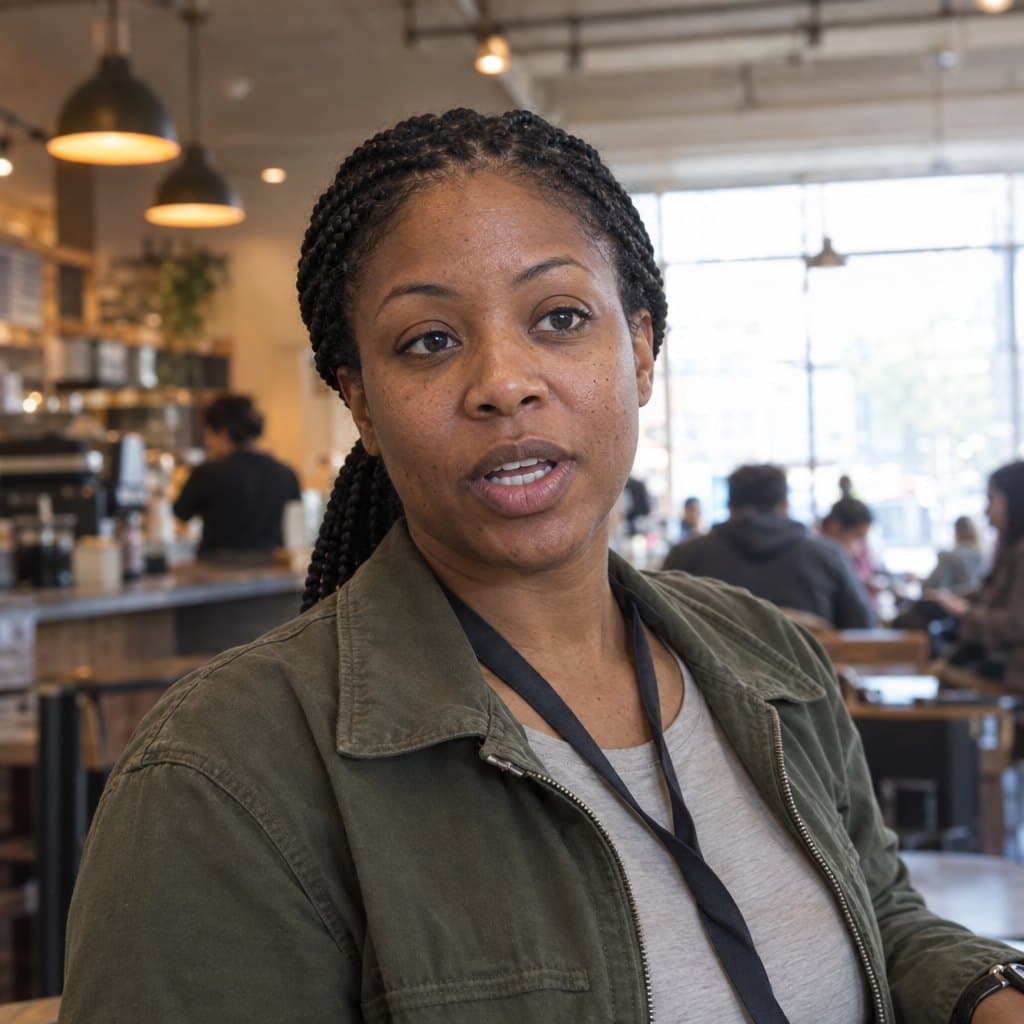 5 min freeBehind the counter
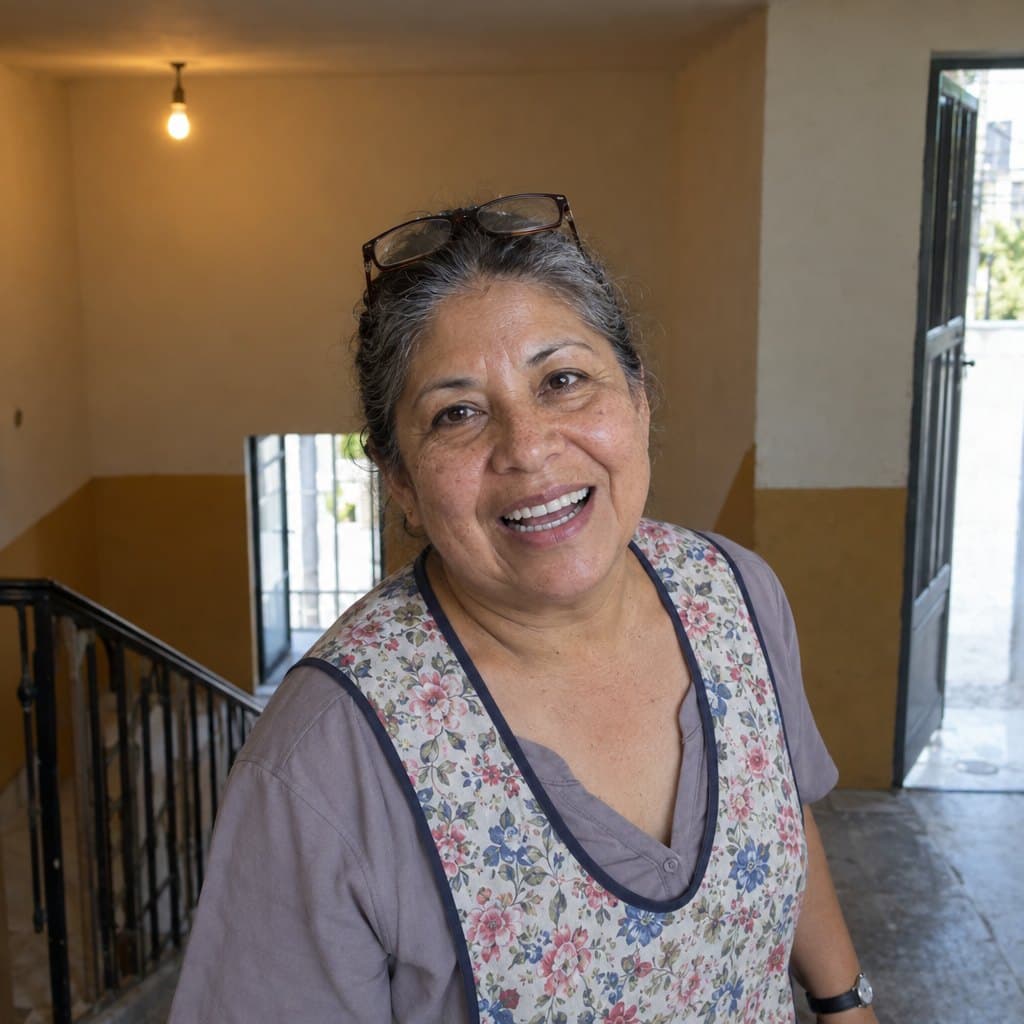 5 min freeNeighbours
 5 min freeNeighbours
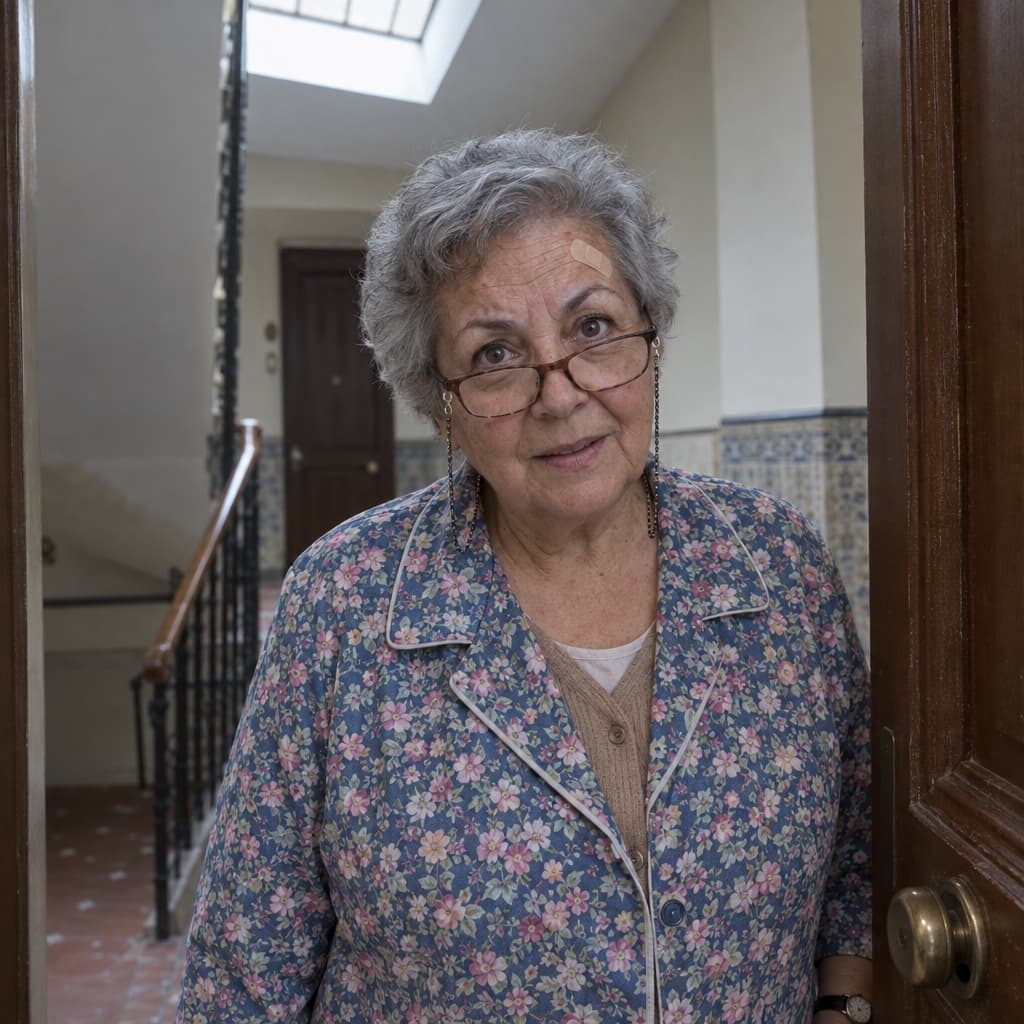 5 min freeNeighbours
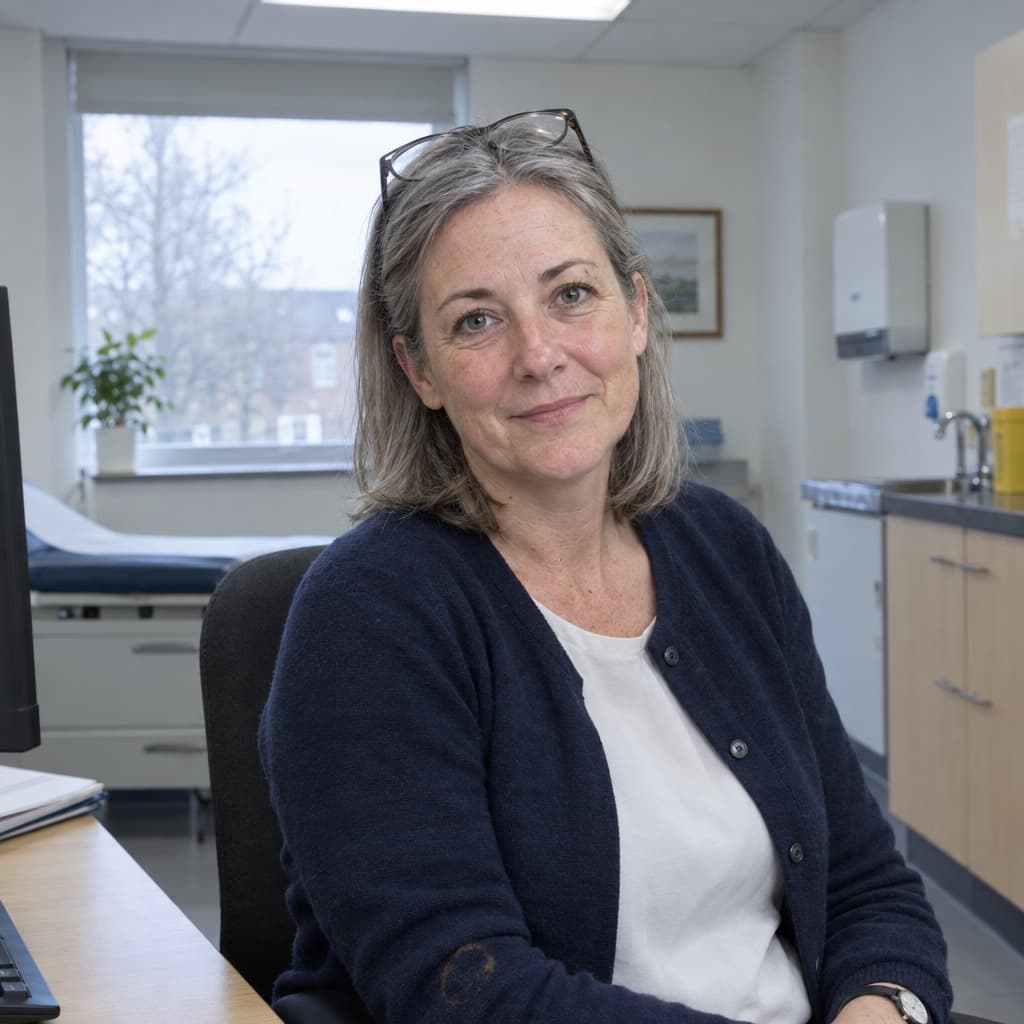 5 min freeAt the doctor's
Where a score comes from
You can read the criteria before you start. Every quote in the write-up is checked against what you actually said. If a criterion has nothing to point to, it says so instead of guessing. None of this is an exam: run the same conversation as often as you like, and ignore the score if you want to.
4/5
Four of the five properties hold right across the catalogue today. The fifth is not done yet, and the list beside this says which one. What holds everywhere: the 100 points of a score are split across the criteria and always add up to 100.
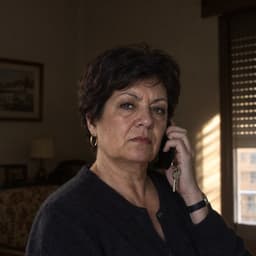
How the score is worked outMarcus Chen, and the place the conversation happens in. Every person here has a face and a place of their own, drawn for this catalogue — there is not one stock photograph on the site.
Before you speak you can see what is being measured and how much each thing is worth, as percentages that add up to a hundred. That is checked automatically: a set whose percentages do not add up never reaches the site. Published in advance; changes go through review
First the evidence is pulled out of the conversation: which turn, and your exact words. Before any of it reaches you the server checks that the quote matches that turn word for word. If it does not, there is one retry and then the quote is thrown away. The model does not get to reword you into agreeing with it. Checked on the server, never on the client
If the conversation never came near a criterion, it comes back as not enough evidence rather than as a middling three. The total is then added up over the criteria that were scored, not the ones that were not. That is the arithmetic every product scoring you on a feeling quietly skips. Built into the code, not asked of the model
The marks are worked out three times over the same evidence, and the middle result is kept. Same evidence, same criteria, same version of the model. The only thing that changes is chance — and chance is exactly what a single run hides from you. Three independent runs, on the server
Each set of criteria gets about sixty conversations marked by people. The scoring is not switched on until it agrees with them. The spread is measured separately — the same conversation is scored five times — and anything smaller than that spread is never drawn as progress. That is what the badge in the catalogue means. Honestly: no set of criteria has it yet. The conversations are collected and the check is in place, but nothing has been through it. People mark it first, then the run is recorded
The write-up
Every turn either of you took, kept as text with the time beside it. The conversation does not disappear when it ends: it is a page you can come back to.
How much you spoke and where you stalled shows up straight away. The score follows in under a minute: what worked, what did not, and the sentence behind every line of it.
The transcript — Every turn, and the time it happened at. The score is built out of this, and the text is yours to download or delete.
How long, by how hard
The harder the conversation, the longer it runs. The price stays one number per minute, and it does not change with who you are talking to. Nothing is added on top.
See all the pricesA hiring manager, a landlady, a meeting with your child's teacher
Conversations a week
$42a month
8 conversations, 96 minutes of talking.
Compared with a live native speaker
Talking with a live native speaker is the best practice there is, and it is priced like it: from $50 a conversation, at a time that suits them. Here a conversation costs $5.28, starts when you press the button, and can be had again tomorrow.
A conversation with a native speaker
$50
A conversation here
$5.28
Nothing to book, and the same conversation can be had as many times as you like.
| A live native speaker | Reallang | |
|---|---|---|
| What one conversation costs | From $50 | $5.28 |
| When you can talk | When they have a slot | Now, or at six in the morning |
| Who is across the table | The same person every time | A recruiter, a doctor, a neighbour: 56 people |
| Will they interrupt you | Rarely. You are the one paying | Yes, like in real life |
| Feedback in writing | Usually none | 60 seconds later, quoting you |
| A real person across the table | Yes | No, an AI person |
The last row is the honest one: a real person is a real person, and nothing replaces that. But getting comfortable speaking takes dozens of conversations, not one a week at $50. Your teacher teaches you the language; this is the practice in between.
Measured, not claimed
People who have already tried it speak for themselves further down. We do not show a pass rate: there is no honest way to count one yet, and we will not invent it. What is below can be measured — how fast the score comes, how it is checked, how many times it is counted.
Seconds after the conversation ends, the write-up is ready: what worked, what to fix, and your own sentence under every mark. Nobody has to find time to listen back to the recording.
The write-up in about a minute
Of the claims in a score open onto a quote, and every quote is checked word for word against what you said before it is shown. 9 sets of criteria, all through the same filter.
100% quoted
Independent runs behind every score, and the middle one is kept, so a score is not the one result you happened to be shown. The same in all 127 situations.
3 runs, the middle one
Measured by us · not a survey · measured again with every update
In their words
25 people have written one, every one of them after a session of their own. No names, at their own request — a made-up name beside a real sentence would be the one false thing on this page.
The neutral face threw me off more than I expected. I had to finish my STAR example without looking for reassurance.

After a session with Aisha Okafor
Beatriz had an answer ready for every complaint about the boiler. I had to stop repeating the problem and ask for a specific date.

After a session with Beatriz Navarro
Ben got defensive as soon as I explained the technical cause. I had to acknowledge the impact before talking about the fix.

After a session with Ben Carter
Start talking
There is nothing to book and nothing to wait for. Pick who you talk to, pick what about, and leave an address for the write-up. The first 5 minutes are free and no card is asked for.
1Who is across the table
Or pick from everyone2What the conversation is
Tell me about a time. Then: what did you actually do, and what would you do differently.
3Where to send the write-up
For teachers
Describe the situation your students have to get through in one paragraph: a landlord who will not repeat himself, a screening call, a parents' evening. We write the person on the other side of it. Your students open a link — no sign-up, nothing to install — and you are paid for every minute they speak. Your lessons stay yours. This is what happens on the days in between.
A conversation at a shop counter takes six minutes; a final interview takes fifteen. You set the length yourself, and that is what the student pays for.
B2 · confident 9 min – 15 min
People arrive having already typed in the thing they are afraid of. They read what the conversation is and press Start. You never have to sell anything.
Is there anyone who does the salary conversation?
Linda Park. Twelve minutes, warm until she is not.

Once your person is published, they are in search, on the page for their situation, and in the lists people are already saving.
Published criteria, quotes checked against what was said, three passes with the middle one kept, a measured spread, and a set checked against human markers. The page says which of them is still missing.
50% of every minute spoken to your person goes to the authors, split by the second. Once a payout is closed, it is never recalculated.
FAQ
The only machines here are the people you talk to. Everything else is us, and we usually answer inside 2 hours.
Write to usstill deciding?
The first 5 minutes are free and no card is asked for · a conversation that was charged but never happened comes back to your balance